
Blog
Rebuilding Your Relationship With Yourself: The Foundation for Love, Money, and Wellbeing

Rebuilding Your Relationship With Yourself: The Foundation for Love, Money, and Wellbeing
Most people don’t come to coaching for one neat reason.
Some come because they feel lost — not in a dramatic way, but in a slow, disorienting one. The kind where you’re doing all the right things, yet quietly wondering how you ended up here.
Others come because something almost works… but never quite settles. Life looks fine on the outside, but inside there’s a constant sense of effort. Of holding things together. Of waiting for something to feel easier than it does.
I know that feeling well.
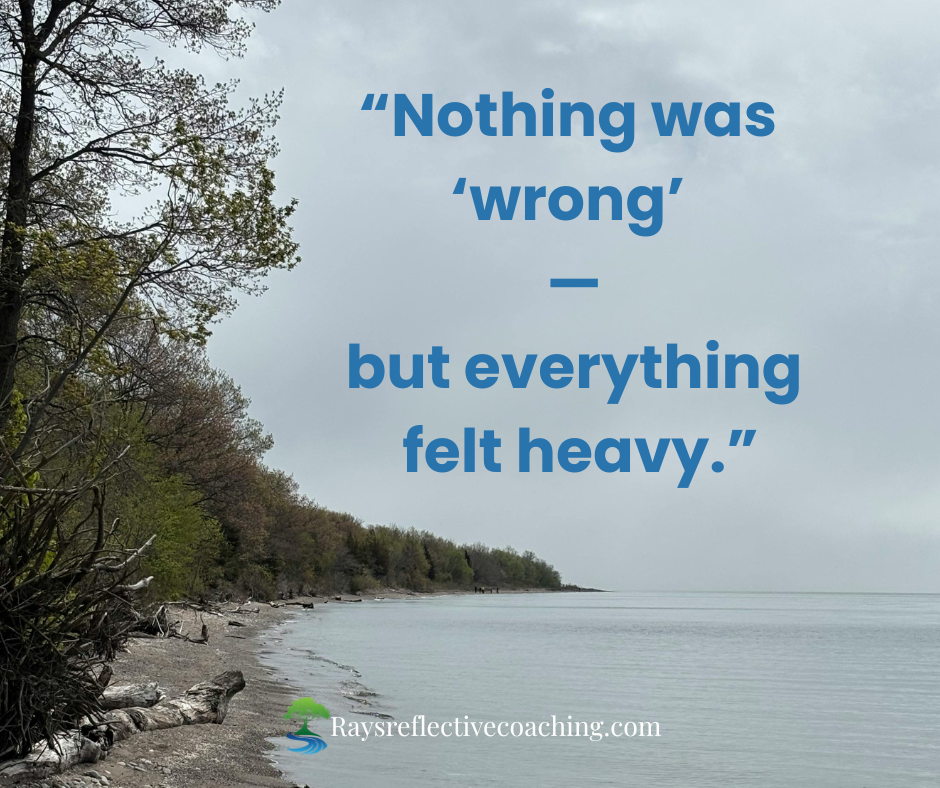
I’ve been in seasons where nothing was “wrong,” yet everything felt heavy.
Different experiences — the same ache:
a sense of being disconnected from yourself.
Pause for a moment.
If you’re honest, where do you feel that disconnection most — your body, your relationships, your decisions, or your sense of direction?
The Self-Relationship Most of Us Were Never Taught to Build
Most of us were taught how to survive, adapt, and cope — not how to relate to ourselves with kindness or trust.
I learned early on how to keep going. How to be capable. How to minimise my needs so things could keep moving.
We learned to push past discomfort.
To override our needs.
To stay capable, useful, and “fine,” even when we weren’t.
Over time, this creates an inner relationship built on pressure rather than care.
You might recognise it as:
-
An inner voice that’s quick to criticise and slow to reassure
-
A constant sense of second-guessing yourself
-
Difficulty knowing what you need until you’re already overwhelmed
-
Feeling responsible for keeping everything — and everyone — steady
This isn’t a personal flaw.
It’s what happens when you’ve had to be strong for a long time.
Why Your Relationship With Yourself Shapes Everything Else
You don’t leave yourself at the door when you enter a relationship, a workplace, or a new phase of life.
You bring your doubts.
Your coping strategies.
Your unmet needs.
For a long time, I thought the answer was to try harder — be more self-aware, more disciplined, more resilient. It never worked for long.
When your inner relationship is tense or neglectful, life starts to feel heavy — even when things are “going well.”
As your relationship with yourself softens and steadies:
-
Decisions feel less fraught
-
Boundaries feel more possible
-
You stop needing constant reassurance
-
There’s more room to breathe
Not because life becomes perfect — but because you’re no longer fighting yourself through it.
Love: From Holding Your Breath to Feeling Chosen
When your relationship with yourself is uncertain, love can feel like something to earn or maintain.
I’ve noticed this in myself — the subtle holding of breath, the careful choosing of words, the urge to stay agreeable rather than honest.
You might notice yourself:
-
Overthinking texts or conversations
-
Staying quiet to keep the peace
-
Accepting less than you need because asking feels risky
Rebuilding your self-relationship changes how you show up in love.
You begin to:
-
Trust your feelings instead of dismissing them
-
Speak needs without bracing for rejection
-
Stay connected to yourself even during conflict
Love becomes less about being chosen —
and more about choosing from a place of self-respect.
Money: From Quiet Shame to Self-Agency
Money often holds more emotion than we expect.
It can carry fear, comparison, and old stories about worth or safety.
I’ve had to unpick my own relationship with money — noticing where self-judgement crept in, where I avoided decisions because they felt loaded.
When your inner relationship is critical or doubting, money decisions can feel paralysing — avoided one moment, over-controlled the next.
As self-trust grows:
-
Money becomes something you engage with, not avoid
-
Decisions are guided by values rather than fear
-
You stop measuring your worth through numbers
Financial wellbeing isn’t just about earning more.
It’s about feeling steadier inside yourself while you make choices.
Wellbeing: From Forcing Yourself to Listening
So much wellbeing advice is built on discipline.
Try harder. Be more consistent. Push through.
I’ve tried that approach — and watched it backfire.
Sustainable wellbeing comes from listening, especially if you’re sensitive, neurodivergent, or easily overwhelmed by rigid expectations.
When you’re in a healthier relationship with yourself:
-
Rest feels allowed
-
Your body becomes something you work with, not against
-
Care adapts to your reality instead of ignoring it
You don’t need to fix yourself.
You need to feel safe enough to listen.
What Coaching With Me Supports
At Ray’s Reflective Coaching, the work is quiet, relational, and deeply human.
It’s shaped by my own experience of unlearning self-pressure and rebuilding trust with myself — slowly, imperfectly, and with support.
In our work together, we gently explore:
-
Where you’ve learned to disconnect from yourself
-
How self-abandonment became a survival strategy
-
What it might feel like to trust yourself again
-
How change can be held with compassion, not force
Because when you stop fighting yourself,
life doesn’t suddenly become easy —
but it becomes yours again.
Reflection: Take This With You
You don’t need to answer these perfectly.
Let them sit with you.
-
Where in your life do you notice yourself pushing rather than listening?
-
What does your inner voice sound like when things feel hard?
-
Where might a little more self-trust change how you decide, relate, or rest?
-
What would it mean to be on your own side, even when you’re unsure?
If these questions stirred something, that’s not a problem to fix — it’s an invitation.
A Gentle Next Step
If you’re curious about rebuilding your relationship with yourself — in a way that feels supportive, reflective, and grounded — you can learn more about my work at
https://raysreflectivecoaching.com
You don’t need to be ready.
You don’t need a plan.
Just a willingness to come back to yourself, one honest step at a time.


