
Blog
Can Coaching Support Burnout Recovery? What Coaching Can and Cannot Do

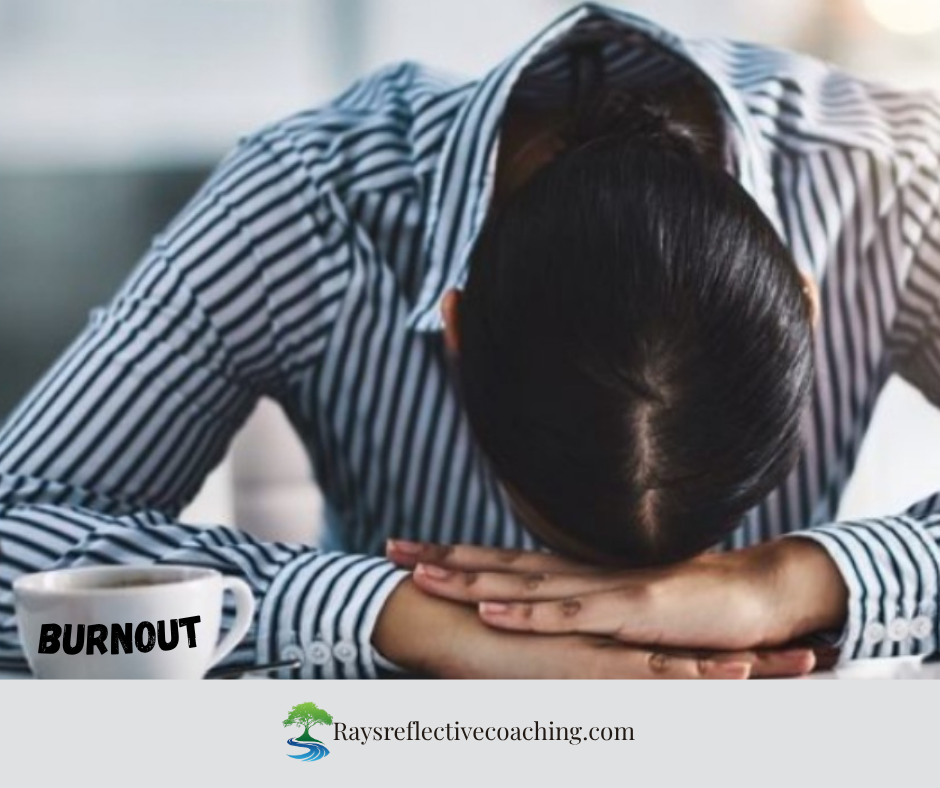
Burnout has become a common topic of conversation in recent years. Many people describe themselves as “burned out” after long periods of workplace pressure, caring responsibilities or trying to balance too many demands at once.
If you’ve searched for coaching for burnout recovery, you may be wondering whether a coach can help you feel more like yourself again.
The short answer is:
Coaching is not a treatment for burnout, but it may support reflection, self-awareness and future-focused planning when it is appropriate for your circumstances.
Burnout can have significant effects on a person’s wellbeing and may require support from a GP, occupational health services, a mental health professional or an employer. Coaching should never replace appropriate healthcare or medical advice.
However, when someone is ready to explore their priorities, boundaries and next steps, reflective coaching may provide a structured space to think more clearly about what comes next.
In this guide, we’ll look at:
- what burnout is
- how it differs from everyday stress
- what coaching may and may not support
- when professional healthcare or workplace support is more appropriate
- practical next steps if you’re feeling overwhelmed
What Is Burnout?
The term burnout is often used to describe feeling emotionally, mentally and physically exhausted after prolonged stress, particularly when that stress is related to work.
The World Health Organisation (WHO) describes burnout as an occupational phenomenon resulting from chronic workplace stress that has not been successfully managed. It is not classified as a medical condition, but it can have a significant impact on wellbeing and work performance.
People experiencing burnout often describe feeling:
- emotionally drained
- mentally exhausted
- less motivated than usual
- detached from work
- less able to concentrate
- overwhelmed by everyday responsibilities
Burnout affects people differently.
Some notice changes gradually over many months.
Others realise something is wrong only after they begin struggling to cope with tasks that previously felt manageable.
If these experiences are affecting your wellbeing or daily life, it is important to seek appropriate professional advice.
Burnout vs Everyday Stress
Stress and burnout are related, but they are not the same thing.
Everyone experiences stress from time to time.
Stress often develops in response to challenging situations and may improve when those pressures are reduced.
Burnout usually develops after prolonged or repeated periods of unmanaged stress, particularly in relation to work or caring responsibilities.
A simple comparison can help explain the difference.
Everyday Stress | Burnout |
Often linked to short-term pressures | Often develops after prolonged stress |
May improve after rest or reduced demands | May continue even after taking time off |
Can feel busy or overwhelmed | Can feel emotionally depleted or detached |
Usually relates to specific situations | Often affects motivation, energy and outlook over time |
Only an appropriately qualified healthcare professional can assess what may be contributing to your symptoms.
If you are concerned about your well-being, speaking with your GP is an important first step.
Can Coaching Help Burnout?
This is one of the questions people ask most frequently.
The answer depends on what kind of support you need.
Reflective coaching does not treat burnout.
It is not designed to diagnose health conditions or provide medical or psychological treatment.
However, coaching may support someone who wants to reflect on questions such as:
- Why have I reached this point?
- What boundaries have I been ignoring?
- Which responsibilities genuinely belong to me?
- What values have I lost sight of?
- What changes feel realistic moving forward?
These conversations focus on awareness and future choices rather than clinical care.
Rachel’s Approach to Supporting People Experiencing Overwhelm
In my coaching practice, I often meet people who have spent years looking after everyone else’s needs before their own.
They tell me they feel constantly busy but rarely feel present.
Many have become disconnected from what matters to them because they have been focused on meeting expectations, solving problems, and simply getting through each day.
Rather than trying to “fix” burnout, my role is to provide a calm space where people can pause and reflect.
Together, we might explore questions such as:
- What is taking most of your energy?
- What feels sustainable?
- Which expectations belong to you, and which have you taken on from others?
- What would a healthier balance look like?
If someone needs medical, psychological or occupational support, I believe it is important to recognise that early and encourage them to access the appropriate professionals.
Supporting someone also means knowing when coaching is not the right service.
What Coaching May Explore
When coaching is appropriate, conversations may focus on areas such as:
Personal Boundaries
Many people experiencing prolonged pressure struggle to say no or ask for help.
Reflection can help you identify where healthier boundaries may be needed.
Values and Priorities
Burnout often leaves people feeling disconnected from what matters most.
Coaching can create space to revisit your values and consider whether your current lifestyle reflects them.
Work-Life Balance
Rather than trying to achieve a perfect balance, coaching may help you explore:
- what feels realistic
- where your energy is going
- which commitments could be reconsidered
- how you want your future routine to look
Decision-Making
Periods of overwhelm can make even simple decisions feel difficult.
Reflective conversations may help you slow down, organise your thoughts and consider your options more clearly.
What Coaching Cannot Do?
Understanding the limits of coaching is just as important as understanding its benefits.
Reflective coaching is designed to support personal growth, self-awareness and future-focused conversations. It is not designed to diagnose, treat or manage burnout as a medical or psychological condition.
An ethical coach should never claim to:
- diagnose burnout
- provide treatment or recovery programmes
- replace a GP, therapist or psychologist
- advise you to ignore medical recommendations
- encourage you to continue working if your health requires professional assessment
Instead, coaching stays within its own professional boundaries.
Its purpose is to help you reflect on your experiences, clarify your priorities and consider practical next steps that align with your values.
When Medical or Professional Support Is More Appropriate
Sometimes the most supportive thing a coach can do is recognise when another professional is better placed to help.
If you are experiencing symptoms that are affecting your ability to work, care for yourself or manage daily life, it is important to seek advice from a qualified healthcare professional.
Depending on your circumstances, appropriate support may include:
- your GP
- a licensed therapist or counsellor
- occupational health services
- your employer or HR department
- employee assistance programmes (if available)
If your workplace is contributing significantly to how you feel, coaching alone cannot change organisational issues such as excessive workload, unrealistic expectations or an unhealthy working environment.
Those situations may require conversations with your employer or other workplace support.
Seeking help early is often more beneficial than waiting until things feel overwhelming.
Rachel’s Reflective Boundary Exercise
One exercise I often use with clients who feel constantly under pressure is called the Energy and Responsibility Check-In.
It isn’t about finding instant solutions.
Instead, it creates space to notice where your energy is going and whether your current commitments reflect what is realistic.
Start by drawing two simple lists.
List One: What Gives Me Energy?
Include anything that leaves you feeling calmer, more connected or more like yourself.
For example:
- spending time outdoors
- meaningful conversations
- reading
- creative hobbies
- quiet time
- exercise that you enjoy
- time with supportive people
Don’t worry if this list feels short.
The aim is simply to notice what restores you.
List Two: What Consistently Drains My Energy?
Think about situations, habits or responsibilities that leave you feeling depleted.
This might include:
- saying yes when you want to say no
- taking on other people’s responsibilities
- working without proper breaks
- constantly checking emails
- unrealistic expectations of yourself
- lack of rest
- overcommitting
Once you’ve completed both lists, ask yourself:
- Which drains are within my control?
- Which ones require support from someone else?
- What is one small change I could realistically make this week?
You are not trying to solve everything at once.
The purpose is to become more aware of what supports your wellbeing and what may need to change.
Practical Next Steps If You’re Feeling Burned Out
If you’re feeling persistently overwhelmed, it can help to focus on small, manageable actions rather than trying to fix everything immediately.
You might consider:
Talk to Someone
Share how you’re feeling with someone you trust.
This could be a family member, friend, colleague or healthcare professional.
Speak to Your GP
If your wellbeing has been affected for some time or you are worried about your symptoms, arrange an appointment with your GP.
They can assess your situation and discuss appropriate support options.
Review Your Workload
Ask yourself:
- Is my workload realistic?
- Have I communicated how I’m feeling?
- Are there adjustments that could help?
Sometimes practical workplace changes are just as important as personal reflection.
Create Space for Rest
Rest isn’t something to earn once everything is finished.
It is an important part of maintaining your well-being.
Small periods of recovery throughout the week can help support your energy levels.
Reflect Before Making Major Decisions
People experiencing prolonged pressure sometimes feel tempted to make immediate life-changing decisions.
If possible, create space to reflect before making significant choices.
Coaching may support this reflective process once it is appropriate to do so.
Coaching as Part of a Wider Support System
Reflective coaching works best when it is seen as one part of a broader support network rather than the only source of help.
For example, someone may:
- speak with their GP about ongoing symptoms
- access workplace support
- work with a therapist if appropriate
- use reflective coaching to explore future goals, values and boundaries
Each professional has a different role.
Together, those forms of support may provide a more complete picture than relying on one approach alone.
If you’re unsure where coaching fits, our guide, Coaching for Mental Well-Being: What Support Looks Like Outside Therapy, explains the different roles in more detail.
You may also find Stress Management Coaching: Reflective Strategies for Everyday Pressure helpful for practical, non-clinical reflection exercises.
Frequently Asked Questions
Coaching may support some people who are experiencing the effects of prolonged workplace pressure by providing space for reflection, self-awareness and future planning.
For example, reflective coaching may help you explore:
- your priorities
- personal values
- healthy boundaries
- work-life balance
- decision-making
- realistic next steps
However, coaching is not a treatment for burnout.
It does not diagnose health conditions, provide medical advice or replace therapy, counselling or healthcare.
If burnout is significantly affecting your wellbeing or your ability to function in everyday life, speaking with your GP or another qualified healthcare professional is an important first step.
If you feel burned out, try not to ignore the signs or assume you simply need to "push through."
Instead, consider taking a gradual and supportive approach.
You might:
- speak with your GP if you're concerned about your wellbeing
- discuss your workload with your employer or manager, where appropriate
- access occupational health or an employee assistance programme if available
- make time for rest and recovery
- reconnect with supportive friends or family members
- reflect on what is contributing to your current level of pressure
Once your immediate support needs have been addressed, reflective coaching may help you consider how you want to move forward and what changes feel sustainable.
Everyone experiences stress from time to time.
Burnout generally refers to a state of prolonged physical, emotional and mental exhaustion associated with ongoing workplace stress that has not been successfully managed.
While stress often improves when the pressure reduces, burnout may require a broader combination of workplace adjustments, healthcare support and time to recover.
Because everyone's experience is different, it is important not to self-diagnose.
If you are unsure about what you are experiencing, speak with a qualified healthcare professional.
No.
Coaching and therapy have different purposes.
Therapy provides psychological support using recognised therapeutic approaches.
Reflective coaching focuses on personal awareness, future planning and intentional action.
If your well-being would benefit from therapeutic or medical care, coaching should not be used as a replacement.
Some people may choose to work with both a therapist and a coach, provided the roles are clearly understood and each professional works within their own area of expertise.
For more information, read Coaching vs Therapy: The Difference, the Overlap and How to Choose the Right Support [Internal Link: B40].
Reflective coaching may be appropriate if you:
- want space to think clearly
- are exploring future changes
- want to strengthen your boundaries
- are reflecting on your values and priorities
- are looking for support with personal development
It may not be appropriate if you need medical assessment, therapeutic treatment or urgent mental health support.
A good coach will be honest about these boundaries and help you identify whether coaching is the right fit.
Taking the Next Step
Feeling overwhelmed does not necessarily mean you have to figure everything out on your own.
Whether your next step is speaking with your GP, having an honest conversation with your employer or creating more space to reflect, recognising that you need support is an important starting point.
If coaching is appropriate for your circumstances, it can provide a calm and structured environment to explore questions such as:
- What matters most to me now?
- What has contributed to my current situation?
- Which boundaries need attention?
- What changes feel realistic and sustainable?
The aim isn’t to rush towards answers.
It’s to create enough space to make thoughtful decisions about what comes next.
Rachel’s Final Reflection
One thing I have learned through my coaching work is that many people believe they need to keep going until they have nothing left to give.
They often see rest as something they have to earn.
I encourage clients to look at things differently.
Rest, reflection and healthy boundaries are not rewards for reaching a breaking point; they are part of living in a way that supports your wellbeing.
Coaching doesn’t promise to remove life’s pressures.
What it can offer is the opportunity to pause, reconnect with what matters most and make choices that feel more aligned with your values and circumstances.
Sometimes, that pause is where meaningful change begins.
Explore Coaching for Life Changes
If you’re navigating a demanding period of life and would like a dedicated space to reflect on your priorities, values and future direction, reflective coaching may be worth exploring.
Rachel’s approach provides a supportive, non-judgemental environment where you can slow down, gain clarity and consider practical next steps, always within the appropriate boundaries of coaching.
If you’re unsure whether coaching is right for you, a conversation can help you understand your options and determine what type of support best fits your current needs.
Explore coaching for life changes and discover whether reflective coaching is the right next step for you.


