
Blog
Emotional Trauma and Pain: When Coaching May Support Reflection and When Therapy Is Better

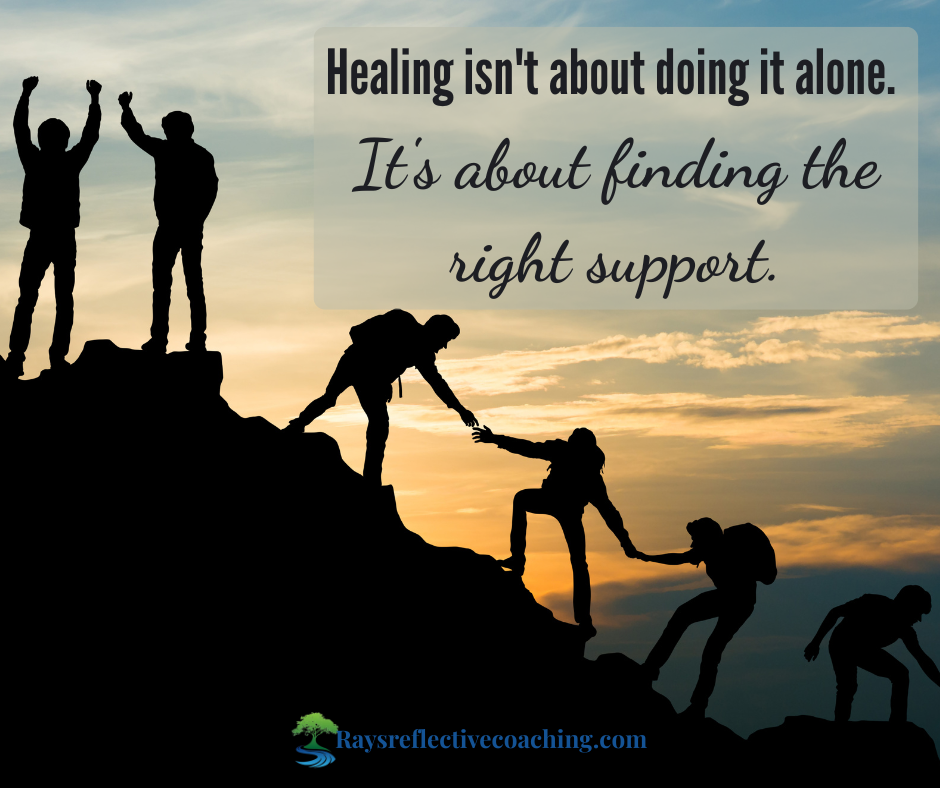
If you’ve searched for healing emotional trauma and pain, you may be looking for support after a deeply difficult experience. You may also be wondering whether coaching could help.
The most important thing to know is this:
Coaching is not a treatment for trauma and is not a replacement for therapy, counselling or medical care.
If you are living with the effects of emotional trauma, working with a qualified mental health professional is generally the most appropriate place to begin. Therapists and other licensed professionals are trained to assess and support people experiencing trauma and related mental health concerns.
Reflective coaching has a different purpose.
It can provide space to explore your values, strengthen self-awareness and think about future goals when coaching is appropriate for your circumstances. It does not diagnose, treat or process trauma.
Understanding this distinction is important because choosing the right type of support can make a meaningful difference.
In this guide, we’ll explain what coaching can and cannot offer, when therapy is likely to be the better option and how reflective coaching may fit alongside other forms of support.
Important: If you are in immediate distress, feel unable to keep yourself safe or believe someone else is at immediate risk, seek urgent help from your local emergency services or an appropriate crisis support service. If you are in the UK, you can also contact NHS 111 for urgent mental health advice or 999 in an emergency.
Understanding Emotional Trauma and Pain
People use the phrase emotional trauma in different ways.
Some use it to describe painful life experiences, while others may be referring to trauma that has had a significant impact on their emotional well-being and daily life.
Whatever language someone uses, it is important not to assume that everyone’s experiences are the same.
A person’s response to difficult events is influenced by many factors, including:
- the nature of the experience
- previous life experiences
- available support
- individual coping strategies
This is one reason why professional assessment and support can be so valuable when trauma is involved.
Rather than trying to define someone’s experience for them, coaching focuses on recognising its own boundaries.
Can a Coach Help With Trauma?
This is one of the questions people ask most often.
The answer requires an important distinction.
A coach cannot treat trauma.
Coaching is not designed to:
- diagnose mental health conditions
- process traumatic experiences
- provide psychotherapy
- replace counselling
- offer crisis intervention
However, when appropriate, coaching may support someone who is looking to:
- reconnect with their values
- reflect on future goals
- strengthen self-awareness
- build confidence in everyday decision-making
- consider practical next steps in their personal development
For some people, this may happen after they have received, or are receiving, appropriate therapeutic support.
The role of coaching is different from the role of therapy.
It focuses on reflection and future-oriented personal growth rather than clinical treatment.
What Does “Trauma-Informed Coaching” Mean?
You may have come across the phrase trauma-informed coaching.
This can sometimes cause confusion.
Being trauma-informed does not mean a coach provides trauma therapy.
Instead, it generally means the coach recognises that people may have experienced difficult life events and works in a way that:
- respects personal boundaries
- avoids making assumptions
- encourages client choice
- understands the importance of psychological safety
- recognises when coaching is not appropriate
A trauma-informed coach should also be prepared to refer someone to a qualified mental health professional when their needs fall outside the scope of coaching.
This awareness is part of ethical practice.
It is not a substitute for clinical training.
Rachel’s Approach: Knowing the Boundaries
As an Accredited Transformative Coach, I believe that one of the most important responsibilities I have is understanding the limits of coaching.
My role is not to diagnose, analyse or treat trauma.
If someone contacts me looking for support, I begin by understanding what they hope coaching will help them with.
If it becomes clear that another type of support would better meet their needs, I believe it is important to say so openly and compassionately.
Helping someone find the right support is always more important than beginning a coaching relationship.
When coaching is appropriate, my work focuses on reflective conversations that encourage greater awareness, connection with personal values and thoughtful next steps.
Those conversations are always future-focused and remain within the boundaries of coaching.
Why Choosing the Right Support Matters
When people are experiencing emotional pain, it is understandable to look for answers wherever they can find them.
However, different professionals have different roles.
Choosing support that matches your needs means you are more likely to receive care that is appropriate for your situation.
Coaching and therapy are not competing services.
They exist to meet different needs.
Understanding those differences helps you make informed decisions about your well-being.
When Therapy or Clinical Support Is the Better Choice
If someone is experiencing the effects of emotional trauma, therapy or another form of licensed mental health care is often the most appropriate source of support.
Mental health professionals have the training to assess symptoms, provide evidence-based therapeutic interventions and adapt treatment to an individual’s needs.
Reflective coaching is not designed for these purposes.
Although every person’s situation is unique, therapy or clinical support may be more appropriate if you are experiencing:
- ongoing emotional distress that significantly affects daily life
- symptoms that make it difficult to work, study or maintain relationships
- distress linked to traumatic experiences that you want to process therapeutically
- thoughts of self-harm or suicide
- overwhelming fear, panic or emotional reactions that feel difficult to manage
- concerns about your mental health that require assessment or diagnosis
If any of these situations apply to you, speaking with your GP or a qualified mental health professional is an important first step.
In the UK, organisations such as the NHS and Mind provide information about accessing appropriate mental health support and understanding the different services available.
What Coaching May Support
While coaching is not a treatment for trauma, it may support people who are looking to move forward in areas of their life that fall within the scope of coaching.
For example, reflective coaching may help you explore:
- your personal values
- future goals
- decision-making
- confidence
- life transitions
- work-life balance
- healthy boundaries
- reconnecting with yourself
These conversations are centred on awareness and personal development.
The focus is not on revisiting or processing traumatic events but on understanding where you are now and what you want your future to look like.
Rachel’s Referral Approach
One of the most important parts of ethical coaching is recognising when coaching is not the right form of support.
If someone shares experiences that suggest they would benefit from therapeutic or medical care, I believe it is my responsibility to discuss this honestly and compassionately.
That does not mean ending the conversation abruptly.
It means helping the person understand why another type of professional may be better placed to support them at that time.
In some situations, people may return to coaching after receiving appropriate therapeutic support, particularly if they want to focus on future goals, personal values or life direction.
Any decision about coaching should always consider the person’s circumstances and remain within professional boundaries.
What Supportive Reflection May Look Like
When coaching is appropriate, reflective conversations focus on the present and future rather than attempting to analyse or treat past trauma.
For example, someone may explore questions such as:
- What matters most to me now?
- What strengths have helped me through difficult times?
- What values do I want to live by moving forward?
- What boundaries would support my wellbeing?
- What does a meaningful next step look like for me?
These questions are not designed to uncover or process traumatic memories.
Instead, they encourage self-awareness and intentional decision-making.
Reflection can help people understand themselves more clearly, but it should never be presented as a substitute for therapy.
Coaching and Therapy Can Sometimes Complement Each Other
Some people choose to work with both a therapist and a coach.
This can be appropriate when the roles are clearly understood.
For example:
- A therapist may support someone in working through trauma using evidence-based therapeutic approaches.
- A coach may support the same person in exploring future goals, rebuilding confidence in everyday decision-making or clarifying personal values.
These roles are different but can sometimes sit alongside one another.
Good communication and clear professional boundaries are essential, and coaching should never interfere with or replace therapeutic care.
Coaching vs Therapy: Understanding the Difference
A simple way to think about the distinction is this:
Reflective Coaching | Therapy / Clinical Support |
Supports self-awareness and future-focused reflection | Assesses and treats mental health concerns using recognised therapeutic approaches |
Helps explore goals, values and personal development | Helps people process trauma, emotional distress and psychological difficulties |
Does not diagnose or provide treatment | Delivered by licensed or appropriately qualified mental health professionals |
Focuses on personal growth and intentional action | Focuses on therapeutic care tailored to individual clinical needs |
Neither approach is “better” in every situation.
The most appropriate option depends on what support you need.
If you are unsure, starting with your GP or another qualified healthcare professional can help you identify the most suitable pathway.
For a broader comparison, read Coaching for Mental Well-Being: What Support Looks Like Outside Therapy and Coaching vs Therapy: The Difference, the Overlap and How to Choose the Right Support.
Looking After Yourself While Seeking Support
If you are waiting to access professional support, or simply looking for gentle ways to care for yourself in the meantime, it may help to focus on everyday wellbeing rather than trying to “fix” everything at once.
This might include:
- maintaining regular routines where possible
- staying connected with trusted people
- spending time outdoors
- practising self-compassion
- getting adequate rest
- limiting pressure to have all the answers immediately
These activities are not treatments for trauma, but they may help support your overall wellbeing while you access appropriate care.
Finding the Right Support for You
If you are exploring support after a painful or overwhelming experience, it is completely understandable to have questions about where to begin.
The most important thing is finding support that matches your needs.
For some people, that may mean speaking with their GP as a first step. Others may benefit from working with a qualified therapist or counsellor. If you are already receiving appropriate therapeutic support and are interested in future-focused personal development, reflective coaching may also have a place alongside that work.
There is no “one-size-fits-all” solution.
Choosing the right support is about understanding the purpose of each service and selecting the one that best fits your current circumstances.
Help Resources
If you believe you may need mental health support, consider reaching out to an appropriate healthcare professional.
Depending on where you live, this may include:
- your GP or primary healthcare provider
- a licensed therapist or counsellor
- local NHS mental health services (UK)
- recognised mental health charities and support organisations
- emergency services if you or someone else is in immediate danger
If you are in the UK and require urgent mental health advice, the NHS provides information about accessing urgent support through NHS 111, while 999 should be used in emergencies where there is an immediate risk to life.
Seeking professional support is a positive step towards receiving care that is appropriate for your individual situation.
Frequently Asked Questions
A coach can support certain aspects of personal development when coaching is appropriate, but they cannot treat trauma.
Reflective coaching may help someone explore:
- future goals
- personal values
- decision-making
- confidence
- healthy boundaries
- reconnecting with themselves
However, coaching does not diagnose, assess or treat trauma.
If you are seeking support specifically for emotional trauma or its effects, a qualified mental health professional is the most appropriate person to guide that work.
No. Coaching is not better than therapy for trauma because the two services have different purposes.
Therapy is specifically designed to help people work through emotional and psychological difficulties using evidence-based therapeutic approaches.
Reflective coaching focuses on self-awareness, future planning and personal growth.
If trauma is the primary concern, therapy is generally the recommended form of support.
For some individuals, coaching may become appropriate later, once therapeutic support is established or completed, and the focus shifts towards future goals or life direction.
In some situations, yes.
Some people choose to work with both a therapist and a coach, provided the roles are clearly understood and each professional works within their own area of expertise.
For example:
- A therapist may support emotional recovery using recognised therapeutic approaches.
- A coach may help the individual reflect on personal goals, values or future aspirations.
Any decision to combine support should consider the person's needs and the guidance of the professionals involved.
If you are considering coaching, it is worth asking:
- What qualifications and accreditations do they hold?
- What type of coaching do they provide?
- Do they clearly explain the limits of coaching?
- How do they respond if someone requires therapeutic or medical support?
- Do they have a transparent referral process?
A responsible coach will be honest about what coaching can and cannot offer and will prioritise your wellbeing over beginning a coaching relationship.
For more information, you can also read Can Coaching Help With Emotional Trauma? Scope, Limits and Safer Next Steps [Internal Link: B21].
Final Thoughts
Searching for support after painful experiences can feel overwhelming.
It is natural to want answers, reassurance or a way to move forward.
Reflective coaching has a valuable role in supporting personal growth, self-awareness and future-focused conversations, but it is important to recognise that it is not a treatment for emotional trauma or mental health conditions.
Knowing the difference between coaching and therapy is not about limiting your options; it is about helping you choose support that is safe, appropriate and suited to your needs.
An ethical coach will always work within professional boundaries and, when necessary, encourage you to access healthcare or therapeutic services that are better placed to support you.
Sometimes the most important step is not choosing coaching or therapy; it is simply choosing to reach out for support.
Choose Appropriate Professional Support
If you are deciding between coaching and therapy, take time to consider what kind of support you need right now.
If your primary concern is emotional trauma, ongoing emotional distress or your mental health, speaking with a qualified healthcare professional is the safest and most appropriate place to begin.
If, after receiving appropriate care, you would like support with personal reflection, values, life direction or future goals, reflective coaching may be a helpful complement where suitable.
Choosing the right support is an important act of self-care.
To understand these differences in more detail, we also recommend reading Coaching vs Therapy: The Difference, the Overlap and How to Choose the Right Support .


